
Social media has become an important way for small businesses to reach customers, build trust and stay visible online. Platforms such as Facebook, Instagram, LinkedIn, TikTok and YouTube give businesses the opportunity to communicate directly with people who may be interested in their products or services.
For a small business, social media is not simply about collecting followers or posting every day. Used properly, it can support brand awareness, website traffic, customer relationships and enquiries while giving potential customers another way to learn about your business.
1. Social Media Helps More People Discover Your Business
One of the biggest benefits of social media for small businesses is increased visibility. Every useful post, video or update gives new people another opportunity to discover your business and understand what you provide.
People may find your company through a shared post, recommendation, search or piece of content. Even if they are not ready to buy immediately, seeing your business regularly can help them remember your name when they eventually need your product or service.
Social media can help you increase visibility through:
- Regular business updates
- Helpful tips
- Short videos
- Service information
- Customer stories
- Educational content
- Relevant local content
The goal is to become more visible to the right people, not simply reach the largest possible audience.
2. Social Media Helps Build Trust
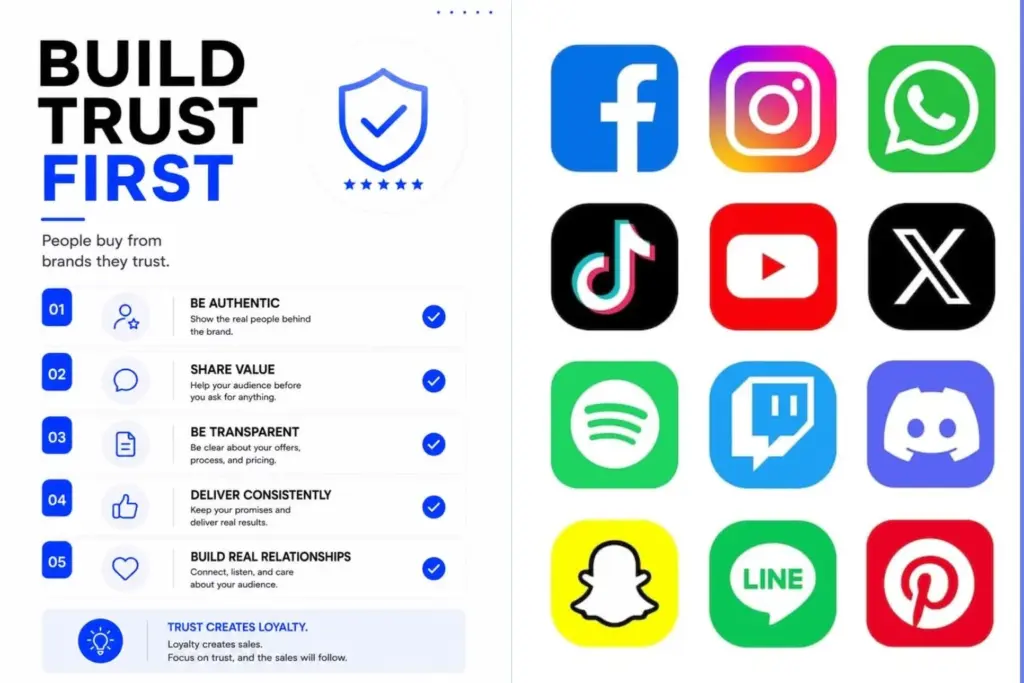
Potential customers often research a business before making contact. They may visit your website, check Google reviews and look through your social media profiles to see whether the business appears genuine and active.
A regularly updated social profile can give customers more confidence because they can see the people, services and activity behind the company. Genuine content can make your business feel more approachable and give customers a clearer idea of what they can expect.
Trust-building content can include:
- Customer reviews
- Team introductions
- Business updates
- Frequently asked questions
- Helpful advice
- Project updates
- Photos and videos
- Customer success stories
Focus on showing useful evidence rather than repeatedly telling people that your business is the best.
3. Social Media Helps You Connect With Customers
Social media gives businesses a direct way to communicate with customers. People can comment on posts, send messages, ask questions and interact with your content without needing to make a phone call.
These conversations can also help you understand what customers care about. The questions people ask, posts they respond to and problems they mention can give you useful ideas for future content and services.
Good customer communication should be:
- Helpful
- Clear
- Professional
- Friendly
- Responsive
- Consistent
Replying to genuine questions and comments can show people that there is a real business behind the account.
4. Social Media Can Drive Traffic to Your Website
Your social media profiles should not operate separately from your website. They can be used to introduce potential customers to your business and then direct interested people towards pages where they can learn more.
For example, you might share a useful tip on Facebook and link to a detailed guide on your website. A short video about one of your services could also encourage viewers to visit the relevant service page or make an enquiry.
You can direct social media users towards:
- Service pages
- Blog articles
- Product pages
- Contact forms
- Quote pages
- Booking pages
- Special offers
Always make sure the page you send people to matches the content or message they originally clicked.
5. Social Media Can Generate Enquiries
Social media can become another source of business enquiries when your content makes the next step clear. Someone who has followed your business for several weeks may eventually send a message, visit your website or request a quote.
Do not expect every post to generate immediate sales. Social media often works by building familiarity over time, helping people recognise and trust your business before they are ready to make contact.
Use clear calls to action such as:
- Get in touch
- Request a quote
- Visit our website
- Learn more
- Send us a message
- Book an appointment
- View our services
Make the next step easy rather than forcing customers to search for contact information.
6. Social Media Helps Small Businesses Compete
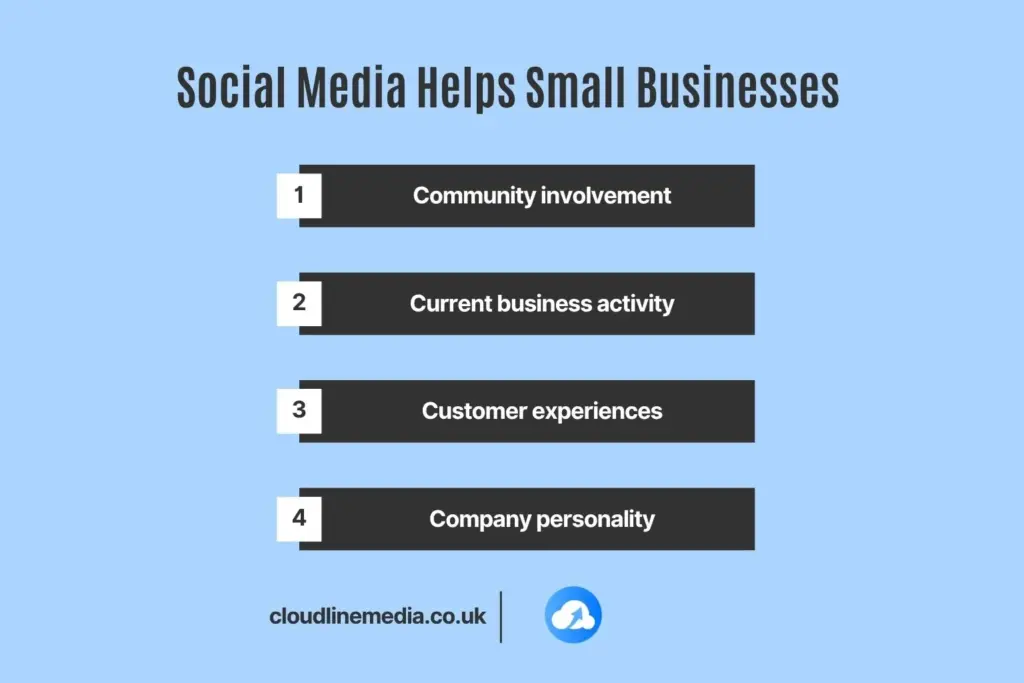
Small businesses may not have the advertising budgets of large companies, but social media gives them an opportunity to build a strong presence within their own market. Useful and consistent content can help a smaller company become familiar to local customers.
You can also focus your content on specific services, locations and customer problems instead of trying to compete with larger companies on everything. This can be particularly valuable for trades and local service businesses.
Small businesses can use social media to highlight:
- Local knowledge
- Specific services
- Customer experiences
- Useful advice
- Company personality
- Community involvement
- Current business activity
The aim is to give people clear reasons to recognise and remember your business.
7. Social Media Gives You Valuable Customer Insights
The content people engage with can tell you a lot about what interests your audience. You may notice that certain questions, services or topics consistently receive more comments, messages or website visits.
These insights can help improve more than your social media strategy. Popular questions can become website FAQs, blog posts, videos, email content or even ideas for improving how you explain your services.
Look at information such as:
- Post engagement
- Video views
- Website clicks
- Messages
- Comments
- Popular topics
- Audience activity
- Enquiries from social media
Focus on meaningful actions rather than judging success only by follower numbers.
8. Social Media Supports Your Wider Digital Marketing
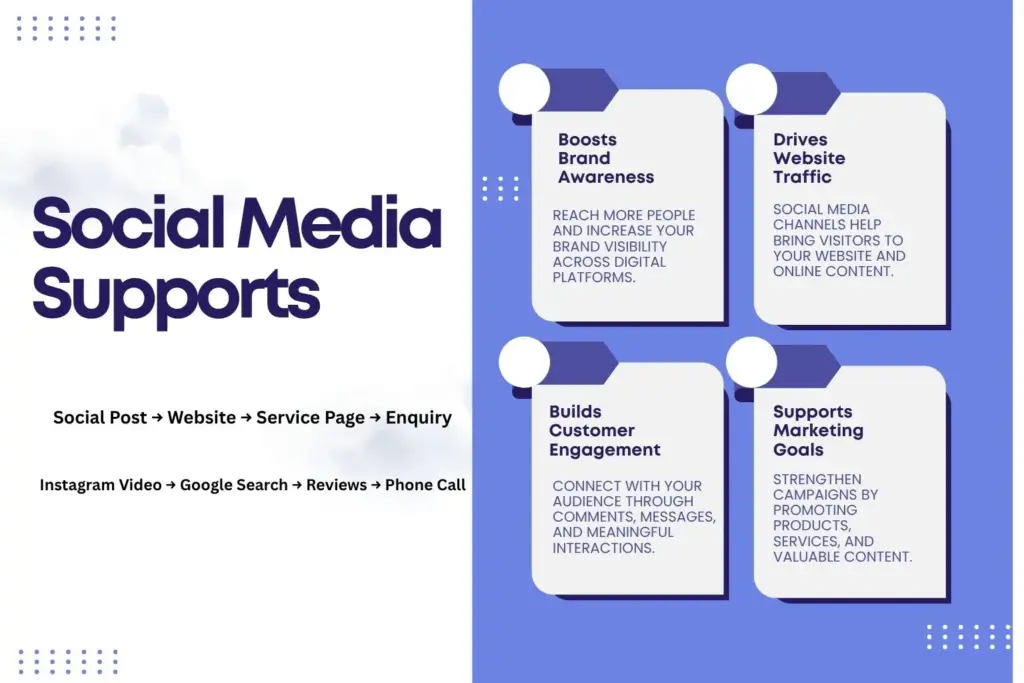
Social media works best when it supports the rest of your digital presence. Your website, Google Business Profile, SEO, email marketing and social media can all work together to help potential customers move from discovery to enquiry.
For example, someone may first discover your business through Instagram, later search for your company on Google, read your reviews and then visit your website. Social media may have started the journey even though the final enquiry came through another channel.
A customer journey could look like:
Social Post → Website → Service Page → Enquiry
or:
Instagram Video → Google Search → Reviews → Phone Call
This is why social media should be treated as part of your wider marketing strategy rather than an isolated activity.
9. What Should Small Businesses Post on Social Media?
Knowing what to post is one of the biggest challenges for many small businesses. Instead of constantly promoting your services, create a mixture of useful, informative and business-related content.
Think about the questions your customers regularly ask and the information they need before choosing a company. These topics can provide a steady supply of useful content ideas.
You could post:
- Helpful tips
- Common customer questions
- Service explanations
- Customer reviews
- Team updates
- Industry information
- Short videos
- Business news
- Project updates
- Blog content
- Seasonal advice
Every post should give your audience a reason to pay attention.
10. Choose the Right Social Media Platforms
Your business does not need to be active on every social media platform. Trying to maintain Facebook, Instagram, TikTok, LinkedIn, YouTube and several other accounts can quickly become difficult.
Instead, focus on the platforms your customers are most likely to use and where your type of content works well. One or two active, useful profiles can be more valuable than several neglected accounts.
When choosing a platform, consider:
- Your target customer
- Your industry
- Your content type
- Your available time
- Your marketing goals
- Whether your business is visual
- Where customers already interact with you
Choose platforms based on your audience rather than simply following the latest trend.
11. Stay Consistent With Your Social Media
Consistency helps people recognise your business and keeps your profiles active. This does not mean posting constantly or creating content simply to fill a schedule.
Create a realistic posting plan that your business can maintain. Quality and relevance are more important than publishing large amounts of repetitive or unnecessary content.
A simple content plan could include:
- Helpful customer tips
- Customer reviews
- Service information
- Business updates
- Short educational videos
- Frequently asked questions
Planning content in advance can make social media easier to manage.
12. Measure What Is Working
Social media should support a clear business goal. Regularly review your results so you can understand which content and platforms are actually helping your business.
Avoid focusing only on likes and followers. These numbers can be useful, but enquiries, website visits and meaningful customer interactions often tell you more about whether your strategy is producing value.
Useful measurements include:
- Website clicks
- Direct messages
- Enquiries
- Phone calls
- Content engagement
- Video views
- Leads
- Bookings
Use these results to improve future content and spend more time on the activity that produces genuine interest.
Social Media Checklist for Small Businesses
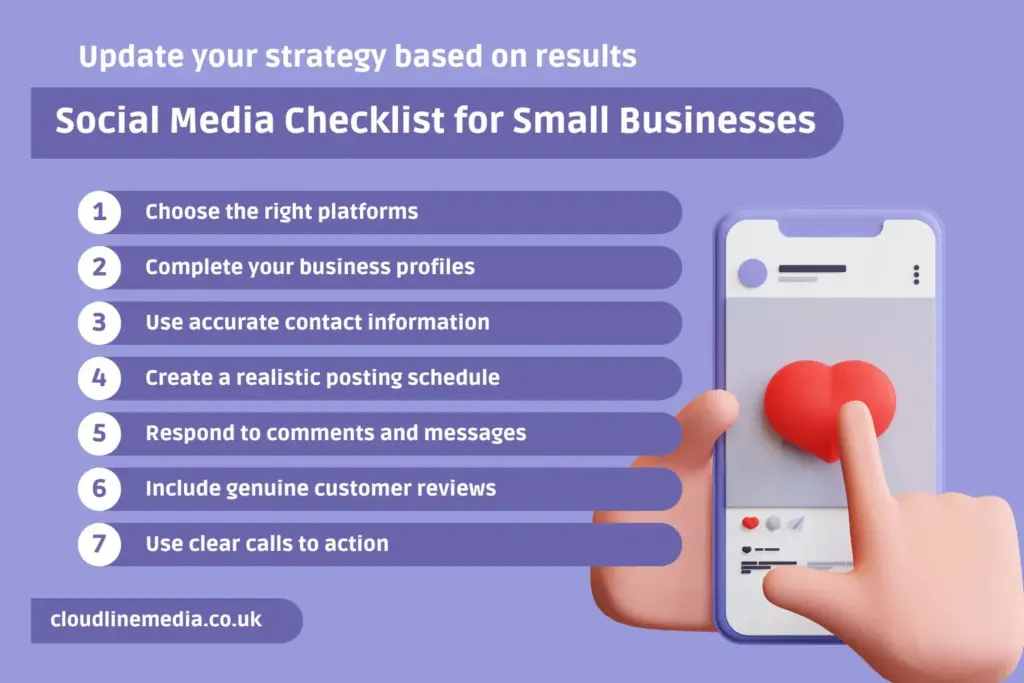
A simple social media strategy can help you stay focused and avoid posting without a clear purpose. Start with your customers, decide which platforms matter and create content that supports your wider marketing goals.
Use this checklist to review your current social media presence:
- Choose the right platforms
- Complete your business profiles
- Use accurate contact information
- Link to your website
- Create a realistic posting schedule
- Share useful content
- Respond to comments and messages
- Include genuine customer reviews
- Use clear calls to action
- Track website visits and enquiries
- Review performance regularly
- Update your strategy based on results
Social media should make it easier for potential customers to discover, understand and contact your business.
Final Thoughts
Social media is important for small businesses because it creates more opportunities to reach customers, build trust and stay visible online. It can also support website traffic, customer communication and enquiries when it is used with a clear purpose.
You do not need to be active everywhere or post constantly to get value from social media. Focus on the platforms your customers use, publish content that genuinely helps them and connect your social activity with the rest of your digital marketing.
Ready to boost your business with social media?
Social media helps businesses build brand awareness, connect with customers, and reach a wider audience. Cloudline Media can help you use the right platforms and strategies to grow your online presence effectively.